Paint Correction
Should You Paint Correct A Brand New Car
New cars are rarely flawless, but they rarely need heavy correction either. On new paint, doing less is usually the right answer.
By Alofaina Leaga5 Minute Read
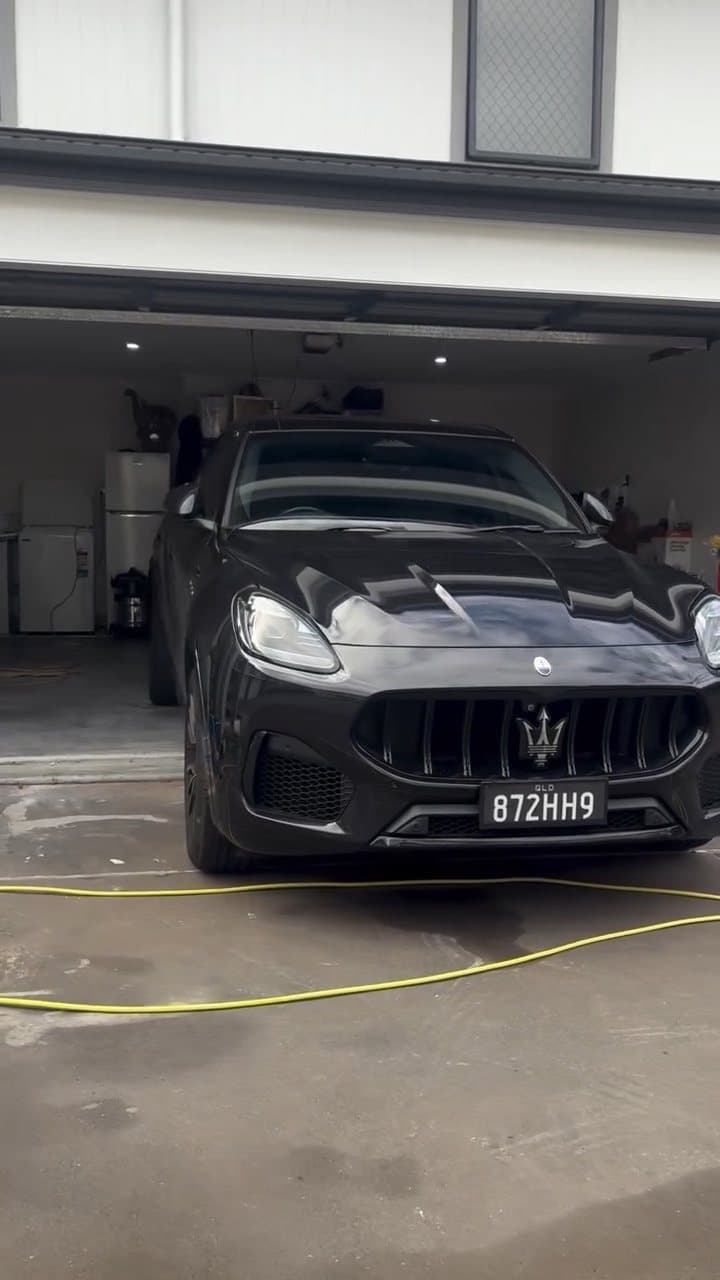
Often yes, but far less than an older car, and the reason to do it is different. On a new car, correction is about starting from a genuinely clean baseline rather than repairing years of accumulated damage.
New Does Not Mean Flawless
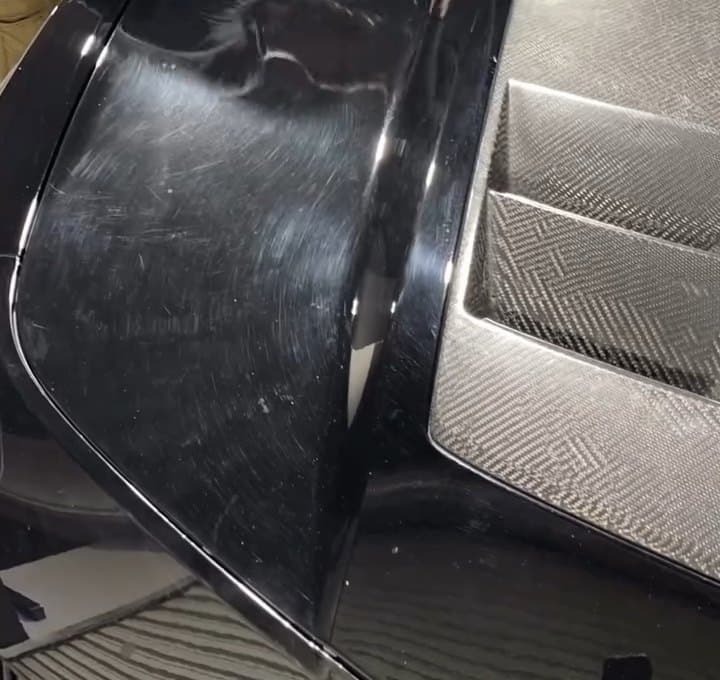
Plenty of new cars arrive with light defects already in the paint. Transport, weeks or months sitting on a lot, and dealer preparation washes all put marks in before anyone drives the car home.
Dealer washes are the usual source. A quick wash on a car covered in lot dust, with whatever mitt is available, is exactly the recipe for light swirling.
Why Less Is More On New Paint
Correction removes clear coat, and clear coat is finite. On a new car there is usually very little to remove, so the right approach is a single light refining stage rather than an aggressive multi stage cut.
You get essentially perfect paint, and you keep almost all of your factory clear coat for the years ahead. A detailer who quotes a multi stage correction on a two week old car is either not looking properly or selling you work you do not need.
When It Is Genuinely Worth Doing
- Before a ceramic coating, because the coating seals in whatever is underneath for years.
- When you can see swirling in the paint under sunlight, which is more common on new cars than people expect.
- On dark colours, where even very light marring is obvious.
- When the car has sat on a lot for a long period before you bought it.
When To Leave It
- If proper inspection genuinely finds nothing, which does happen.
- If you are not protecting the car afterwards, since correction leaves bare paint exposed.
- If the car is on a short lease and you are handing it back soon.
The Order To Do Things In
- 01Get the paint inspected under proper lighting so you know what is actually there.
- 02Decontaminate, because correction over bonded grit adds scratches.
- 03Correct only as much as the paint genuinely needs, usually one light stage.
- 04Protect it, ideally with a ceramic coating, so the condition is locked in.
- 05Wash it correctly from then on so it never accumulates the damage in the first place.
The Long View
Getting this right early is the cheapest paint decision you will make on the car. Correcting lightly and protecting properly at a few weeks old means you may never need heavy correction at all, and you arrive at year five with most of your clear coat intact and paint that still looks new.
Send Alofa your new car and he will assess it honestly, or read more about paint correction in Brisbane.