Paint Correction
What Is Paint Correction
Most paint that looks tired is not worn out, it is scratched. Correction removes those defects from the clear coat instead of hiding them for a few weeks.
By Alofaina Leaga6 Minute Read
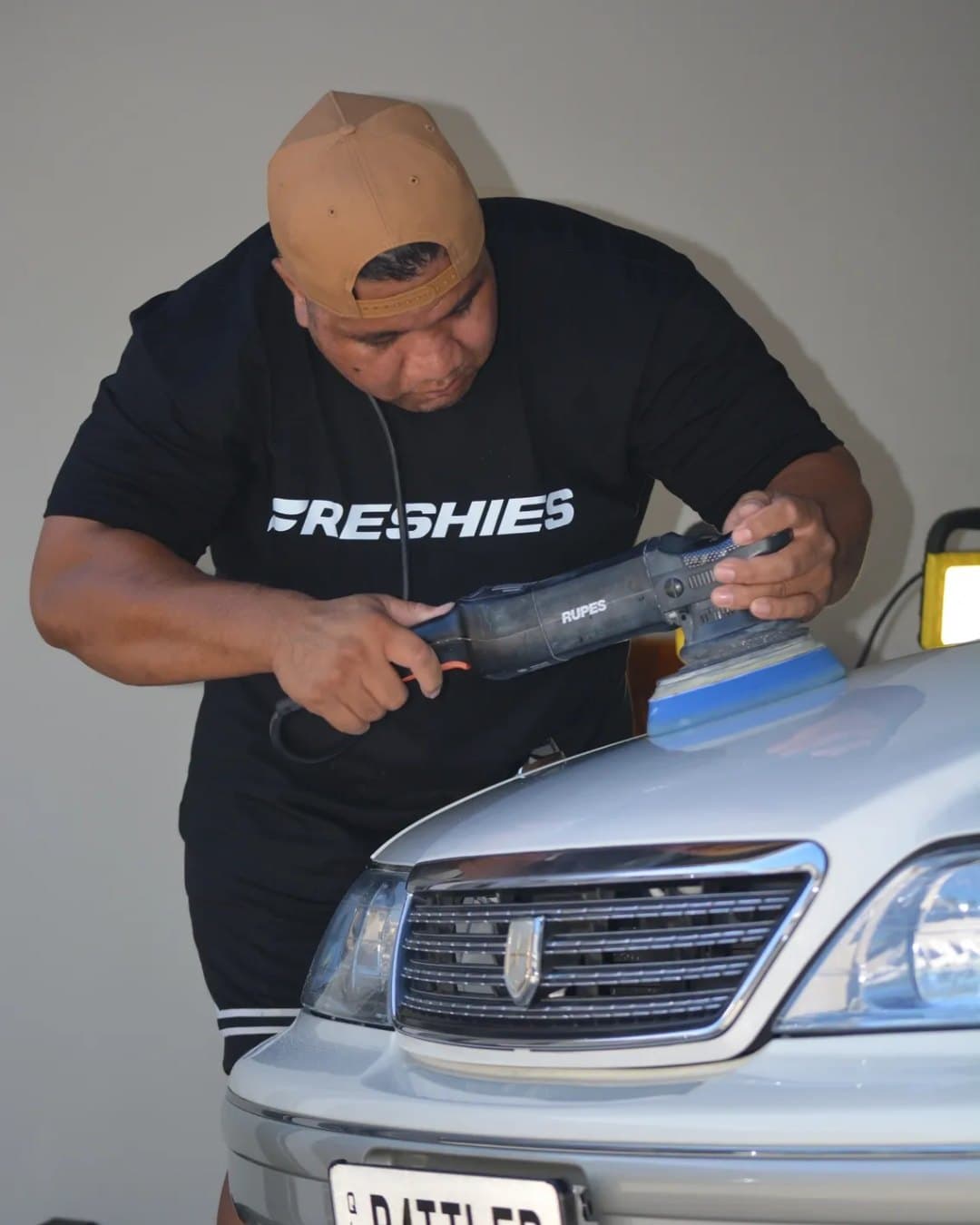
Paint correction is the process of removing defects from a car's clear coat using a machine polisher and abrasives. Swirl marks, haze, holograms and light scratches are cut out of the surface rather than filled over, which is why the result lasts instead of washing away in a month.
What Is Actually Being Corrected
Modern car paint is layered: primer, base coat that carries the colour, and clear coat on top. Almost every defect you can see lives in that clear coat.
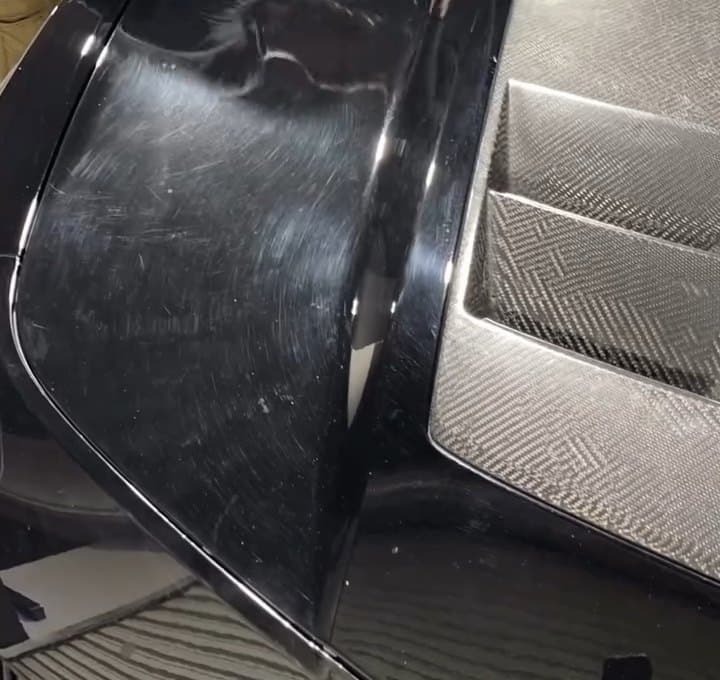
Those defects are tiny scratches. Each one catches light and scatters it instead of reflecting it cleanly, which is why a car with swirled paint looks dull and hazy in sunlight even when it is spotlessly clean. The paint is not worn out, it is scratched.
Correction removes a microscopically thin layer of clear coat, taking the scratches with it and leaving a flat, even surface that reflects light properly again.
Correction Versus Filling
This distinction matters more than any other in this topic.
Glazes and all in one products contain fillers that sit in the scratches and mask them temporarily. The car looks corrected for a few weeks, then the fillers wash out and the swirls return exactly as they were. Nothing was removed.
Genuine correction removes the defect. It cannot come back, because the scratch is gone rather than hidden. That is the difference between paying for a result and paying for a delay.
The Stages
Decontamination First
The car is washed and decontaminated before any machine touches it. Compounding over bonded grit drags that grit across the paint and adds scratches while trying to remove them.
Inspection Under Proper Lighting
Defects are found using controlled light from multiple angles. Flat daylight hides most of them, which is why paint that looks fine on an overcast day can look terrible the first time the sun comes out.
A Test Section
A single panel gets corrected first to establish the right combination of pad, abrasive and technique for that specific paint. Paint hardness varies enormously between manufacturers, so a fixed recipe is a poor approach.
Cutting And Refining
The cutting stage removes the defects and leaves its own light haze. The refining stage removes that haze and brings the surface back to full clarity. Skipping the refining stage is what leaves holograms behind.
Protection
Correction leaves bare, unprotected paint. Every job should finish with protection applied, and many people go straight to ceramic coating in Brisbane so the corrected finish is locked in.
What Correction Will Not Fix
- Scratches deep enough to have gone through the clear coat into the base coat.
- Stone chips, which are missing paint rather than scratched paint.
- Dents, cracks or accident damage.
- Failed or peeling clear coat.
- Poor previous respray work.
A simple test: run a fingernail lightly across the scratch. If it catches, it is likely too deep to remove safely.
There Is A Limit
Clear coat is finite, and every correction removes some. This is why correction should be done properly and infrequently rather than aggressively and often, and why paint depth gets checked as work progresses on multi stage jobs.
It is also the strongest argument for protecting paint early, so it does not need correcting repeatedly.
Does Your Car Need It
Look at a flat panel in direct sun and move your head so the reflection sweeps across it. Fine circular scratches mean swirls. Straight parallel lines mean bad machine work. Either is correctable.
Send Alofa some photos and he will tell you what your paint actually needs, or read more about paint correction in Brisbane.